
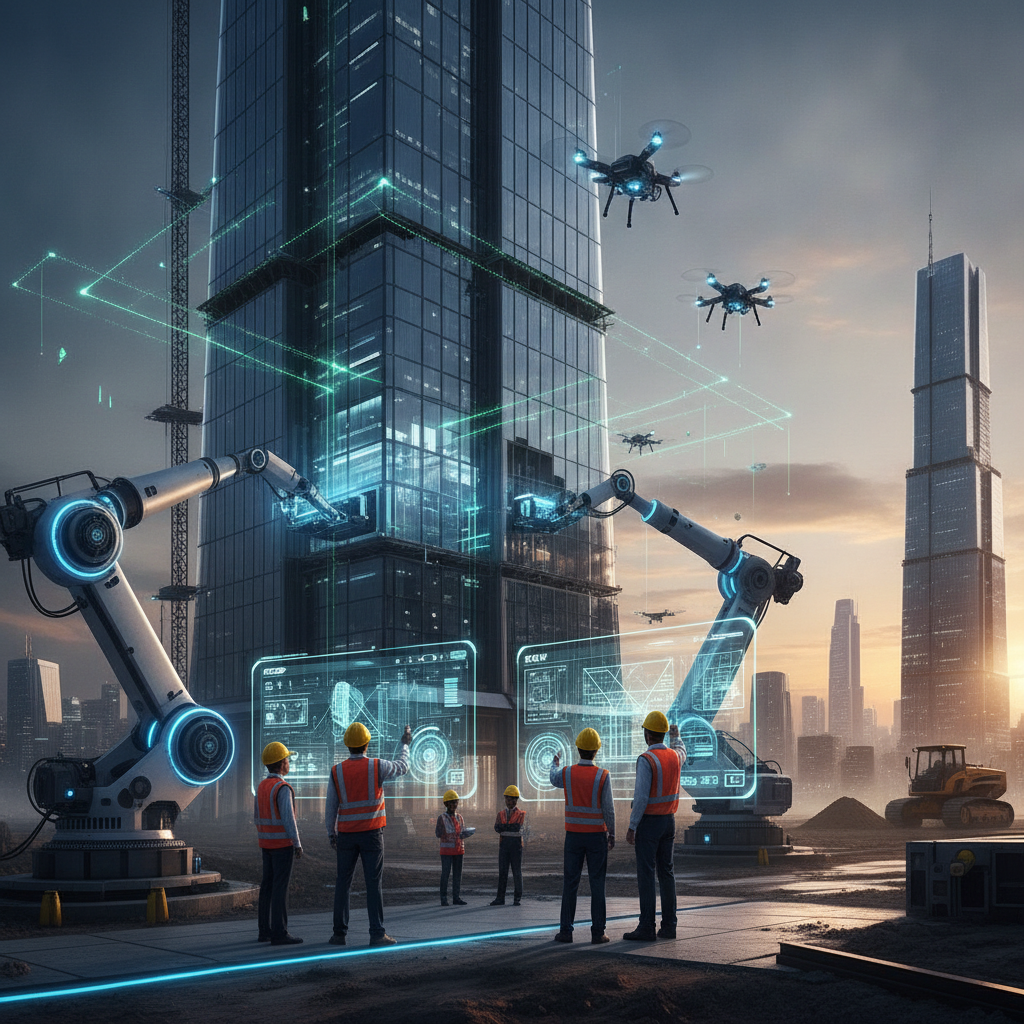
The construction industry, often seen as traditional, is now embracing artificial intelligence to tackle long-standing challenges like cost overruns, project delays, and safety risks. AI in construction refers to the application of advanced technologies such as machine learning, computer vision, and predictive analytics to optimize processes, enhance safety, and improve decision-making throughout the entire building lifecycle, from initial design to facility management.
Understanding how AI can integrate into your operations is key to unlocking its potential. This guide will explore the practical applications of AI, detail its benefits, and provide clear steps for successful adoption in your construction business.
What is AI in Construction?
AI in construction involves using intelligent machines and algorithms to perform tasks that typically require human intelligence, but with greater speed, accuracy, and scale. This encompasses a broad range of technologies designed to analyze vast amounts of data, learn from patterns, and make informed predictions or automate complex processes.
For example, AI systems can process blueprints, track site progress via drones, and analyze historical project data to forecast potential issues. Unlike traditional software, AI systems can adapt and improve over time, making them invaluable tools for dynamic construction environments.
Why Construction Needs AI: Key Benefits
Integrating AI into construction offers significant advantages that address some of the industry's most pressing issues. From boosting project efficiency to creating safer work environments, AI's impact is transformative.
- Enhanced Project Efficiency: AI can automate repetitive tasks, optimize scheduling, and manage resources more effectively, reducing manual effort and speeding up project timelines. This means fewer delays and better adherence to budgets.
- Improved Safety on Site: Computer vision AI can monitor construction sites in real-time to detect safety hazards, ensure compliance with safety protocols, and even predict potential accidents before they occur, drastically reducing incidents.
- Cost Reduction and Waste Minimization: By analyzing historical data and predicting material needs with greater accuracy, AI helps minimize waste and optimize procurement. Predictive maintenance also extends equipment lifespan, reducing repair costs.
- Better Quality Control: AI-powered tools can inspect work for defects, compare completed structures against design specifications, and identify discrepancies early, ensuring higher quality builds.
- Data-Driven Decision Making: AI provides actionable insights from complex data sets, allowing project managers to make more informed decisions regarding resource allocation, risk management, and overall strategy.
Practical Applications of AI in Construction
AI is already being applied in various ways across the construction lifecycle, delivering tangible results for companies willing to innovate. These applications span from the early planning stages to ongoing maintenance.
- Generative Design and Planning: AI algorithms can explore thousands of design options based on specified parameters (cost, materials, structural integrity) far quicker than human designers, optimizing layouts and material use.
- Predictive Analytics for Risk Management: AI analyzes data from past projects, weather patterns, and market conditions to predict potential risks such as budget overruns, schedule delays, or supply chain disruptions, allowing for proactive mitigation strategies.
- Automated Site Monitoring and Progress Tracking: Drones equipped with AI computer vision can capture high-resolution images and videos of construction sites. AI processes this data to track progress, identify deviations from the plan, and monitor equipment and personnel.
- Robotics and Automation: From bricklaying robots to autonomous heavy equipment, AI enables machines to perform hazardous or repetitive tasks with precision, reducing labor costs and improving safety.
- Supply Chain Optimization: AI predicts demand for materials, identifies optimal suppliers, and manages logistics, ensuring materials arrive on time and are stored efficiently. This minimizes disruptions and reduces carrying costs.
Addressing Challenges in AI Adoption for Construction
While the benefits of AI in construction are clear, implementing these technologies comes with its own set of hurdles. Addressing these challenges proactively is crucial for successful integration.
Pro tip: Start with a clear problem you want AI to solve, rather than just adopting AI for the sake of it. This focused approach helps justify investment and demonstrates early wins.
- Data Availability and Quality: AI systems thrive on data, but construction projects often suffer from fragmented, inconsistent, or inaccessible data. Establishing robust data collection and management protocols is essential.
- Integration with Existing Systems: Many construction firms rely on legacy systems that may not easily integrate with new AI platforms. A phased approach to integration and careful planning are necessary to avoid disruptions.
- Skill Gaps: The industry needs professionals who understand both construction and AI. Investing in training existing staff or hiring new talent with AI expertise is vital.
- Upfront Investment: Implementing AI solutions can require significant initial capital. Demonstrating clear ROI through pilot projects can help secure buy-in from stakeholders.
- Resistance to Change: Employees may be wary of new technologies. Effective change management, clear communication of benefits, and involving staff in the adoption process can mitigate resistance.
Steps to Implement AI in Your Construction Business
Successfully integrating AI into your construction operations requires a strategic, phased approach. Here are the key steps to get started and scale your efforts.
- Identify Pain Points: Begin by pinpointing specific areas where AI can make a measurable difference. Is it project delays, safety incidents, or material waste?
- Start Small with Pilot Projects: Choose a manageable pilot project to test an AI solution. This allows you to gather data, evaluate effectiveness, and refine your approach without a large-scale commitment.
- Build a Data Strategy: AI is only as good as its data. Develop a plan for collecting, storing, and organizing clean, consistent data across your projects. Consider platforms that can help manage your AI stack for better data flow.
- Invest in Training and Talent: Provide training for your team on new AI tools and processes. Consider bringing in AI specialists or consulting with experts to guide your initial implementations.
- Monitor, Evaluate, and Iterate: Continuously track the performance of your AI solutions. Use key metrics to measure impact and be prepared to make adjustments and improvements based on results.
- Scale Successful Solutions: Once a pilot proves successful, plan for broader deployment across more projects or company-wide, learning from initial challenges and successes.
Maximizing AI Success on Construction Sites
To truly benefit from AI, it's not enough to just adopt the technology; you need to cultivate an environment where it can thrive. This involves strategic thinking and a proactive mindset.
- Foster a Culture of Innovation: Encourage your teams to embrace new technologies and methodologies. Provide forums for feedback and ideas related to AI adoption.
- Ensure Data Security and Privacy: With increased data collection comes the responsibility to protect it. Implement robust cybersecurity measures and adhere to data privacy regulations.
- Collaborate with Technology Providers: Work closely with AI vendors to customize solutions to your specific needs and ensure ongoing support and updates.
- Integrate AI with BIM (Building Information Modeling): Combining AI capabilities with BIM allows for more intelligent models that can automate design checks, clash detection, and quantity take-offs, creating a powerful synergy.
The Road Ahead for AI in Construction
AI is not a temporary trend but a fundamental shift that will continue to evolve and deepen its impact on construction. As the technology matures, we can expect even more sophisticated applications, from advanced robotic construction to hyper-personalized project management. The companies that embrace AI now are positioning themselves to lead the industry in efficiency, safety, and innovation.
By understanding its potential and strategically implementing it, construction firms can build not just structures, but a stronger, more resilient future.
Frequently asked questions
How does AI improve construction safety?
AI improves construction safety through real-time site monitoring using computer vision to identify hazards, ensure PPE compliance, and predict potential accidents. It can also analyze accident data to inform better safety protocols.
What are the biggest challenges of implementing AI in construction?
The biggest challenges include securing high-quality data, integrating new AI systems with existing legacy software, addressing skill gaps within the workforce, and managing the initial investment required for AI solutions.
Can AI design buildings in construction?
AI can assist in building design through generative design, where algorithms create optimal design options based on specified criteria. However, human architects and engineers remain crucial for conceptualization, creativity, and final decision-making.
Is AI replacing human jobs in construction?
AI is more likely to augment human capabilities rather than fully replace jobs in construction. It automates repetitive and hazardous tasks, freeing human workers to focus on more complex, creative, and supervisory roles. This shift often requires upskilling the workforce.